


Shaping Policy for a Circular Future
After several rounds of engagement, 16 partner organizations have committed as co-owners, contributing resources toward a shared impact. To solidify this collaboration, the Hub convened a 2-day workshop with 28 participants, where the vision, mission, and operational model were jointly defined.
Policy Collaboration
Invited by the then Ministry of Sanitation & Water Resources, a Scaling Partner to support the National Environmental Sanitation Policy Review.
Engagement
14 participants from 8 organizations joined a Hub-led webinar to unpack policy scope, objectives, and opportunities for contribution.
Collective Action
7 Hub institutions co-developed and submitted a joint circular bioeconomy policy contribution:
- IWMI
- CSIR–Institute of Industrial Research
- Biotechnology & Nuclear Agriculture Research Institute
- Regional Water & Environmental Sanitation Centre (KNUST)
- Safisana Ghana Ltd.
- Institute of Environmental Sanitation Studies
- Regional Centre for Energy & Environmental Sustainability
Impact
Circular bioeconomy insights are now embedded in Ghana’s national sanitation policy framework, shaping pathways for sustainable waste management.
Empowering Youth for a Circular Future – RRR Schools & Youth Program
The RRR Schools & Youth Program equips students with practical skills in the organic waste-to-resource value chain, building a circular mindset and creating opportunities for youth-led startups and employment.
Output at a Glance
Teachers Engaged
- 30 total (59% female | 41% male) (+18 since 2023)
Students Reached
- 7,264 total (51% female | 49% male)
(+1,775 since 2023)
Trainers (Volunteers) Mobilized
- 75 total (31% female | 69% male)
(new in 2024)
Schools Supported
- (15 new schools across 2 Municipal Assemblies in Kumasi (Kwabre East & Oforikrom)
(now 25 schools in total)
Schools Equipped with Bins & Waste Management Support
- 15 new schools supported (+10 since 2023)
Modules Delivered (5 total)
- Waste Management & Segregation at Source
- Circular & Bioeconomy Concepts
- Resource Recovery & Reuse
- Innovation Case Studies
- Club Formation & Activities
25 Clubs Active
- 1,200+ members (55% female | 42% male),
supported by trained volunteers
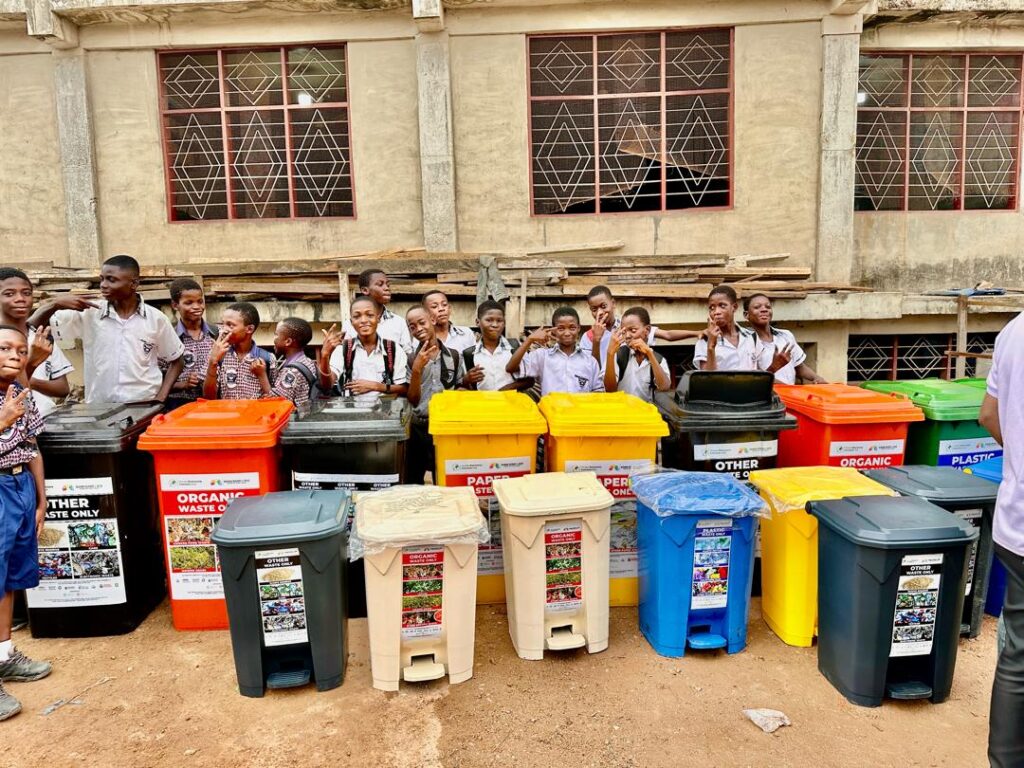
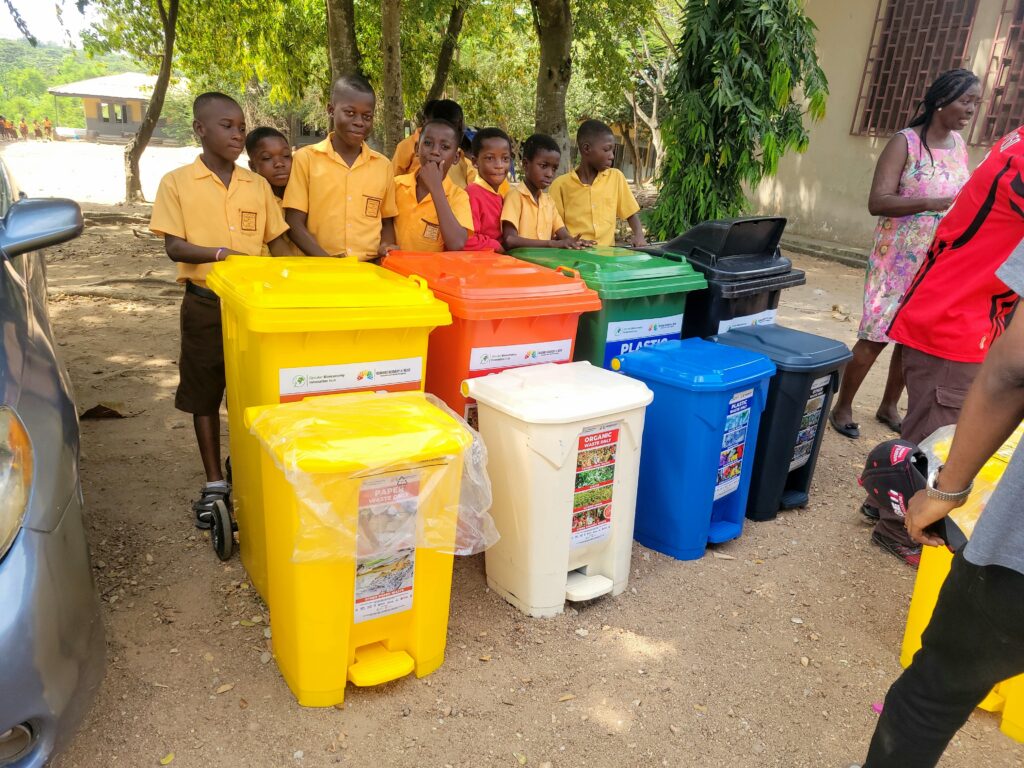
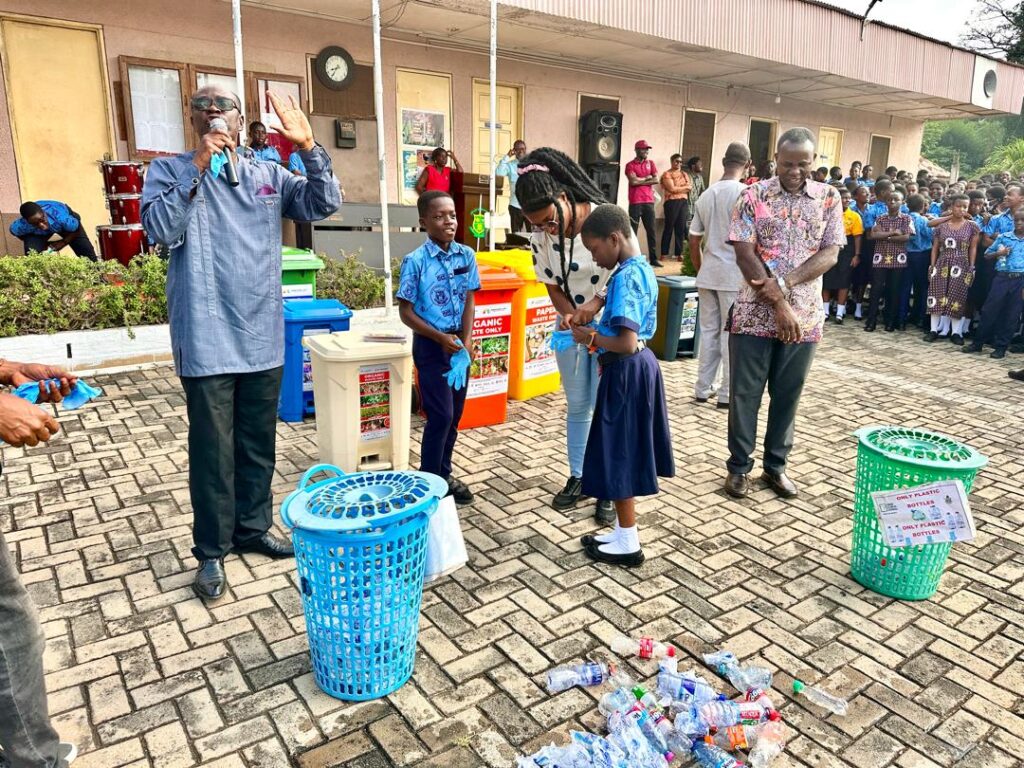
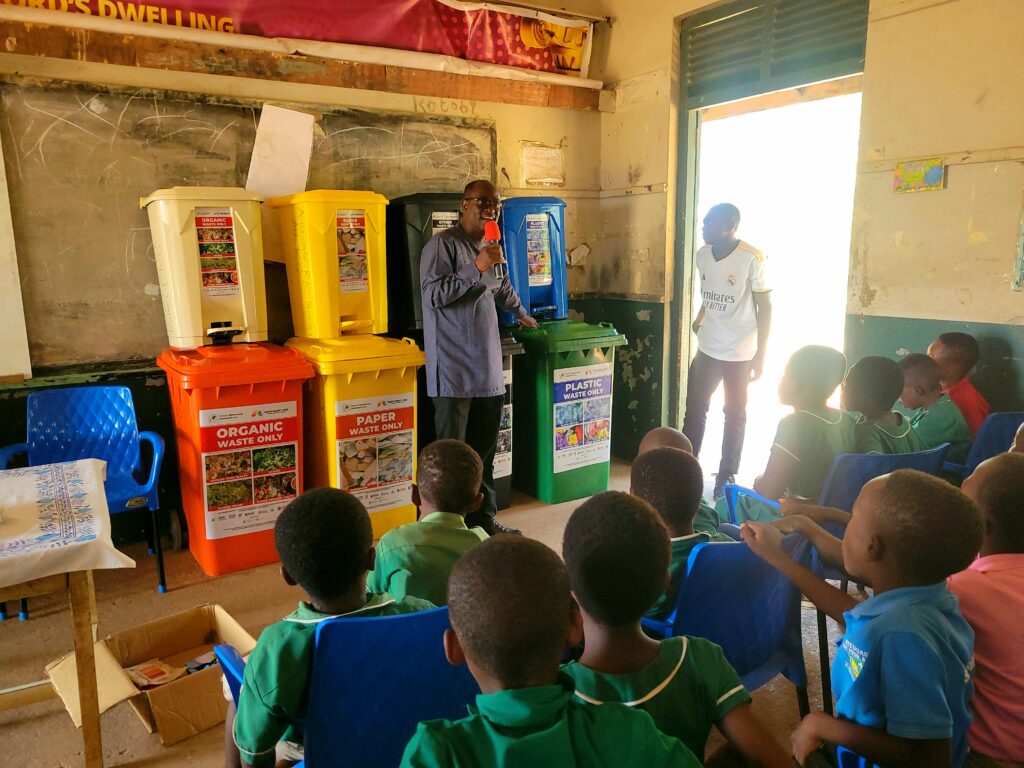
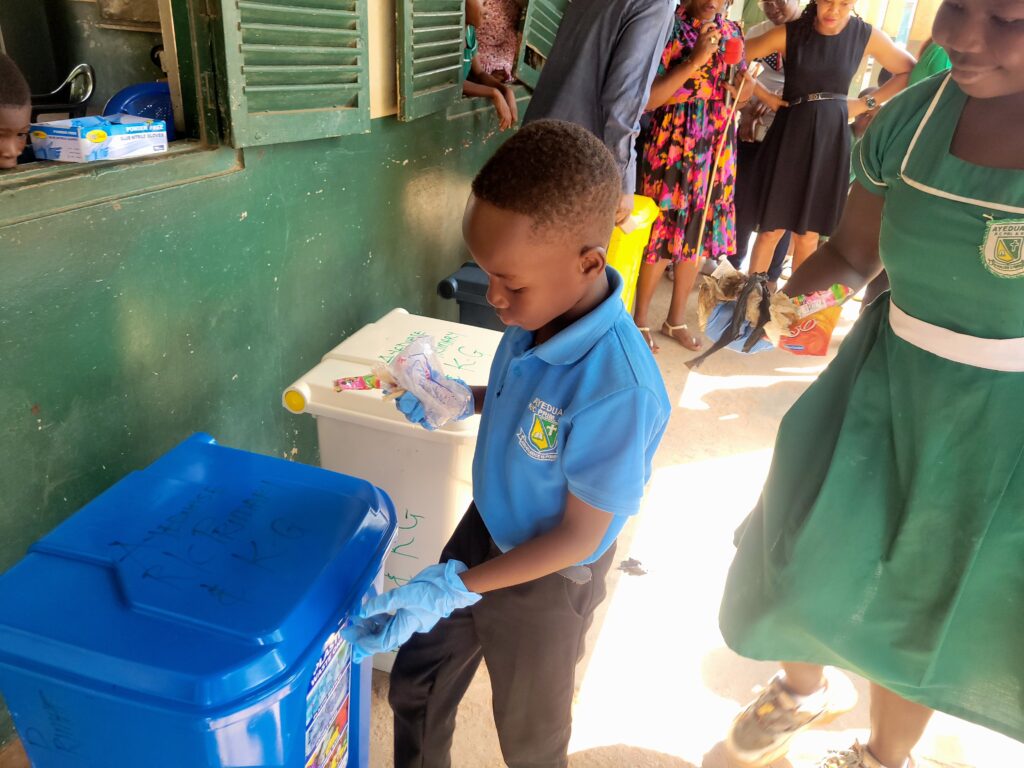
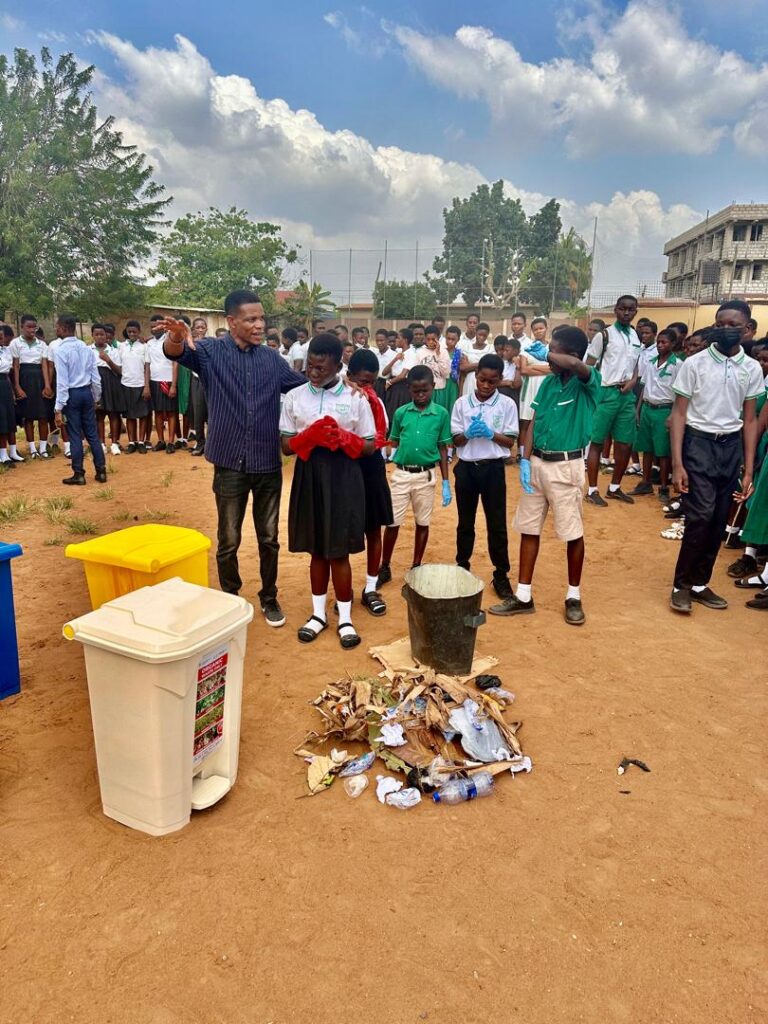
Photo credit: EWB-KNUST
Living Labs Driving Circular Innovation
Across Ghana, many circular bioeconomy (CBE) business models struggle to scale facing several systemic barriers and challenges. Recognizing these barriers, the Hub set out to create spaces where innovation could move beyond theory into practice.
The Response
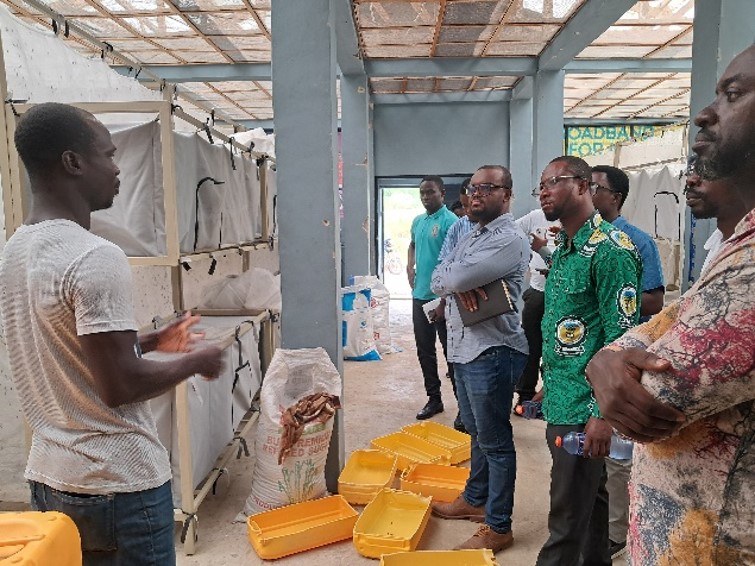
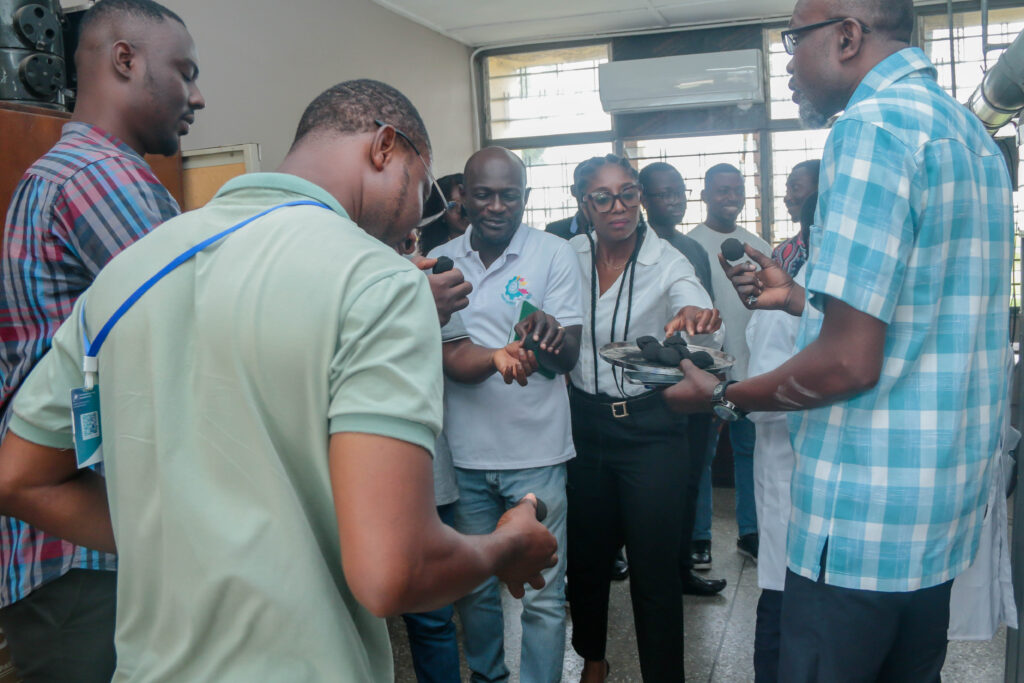
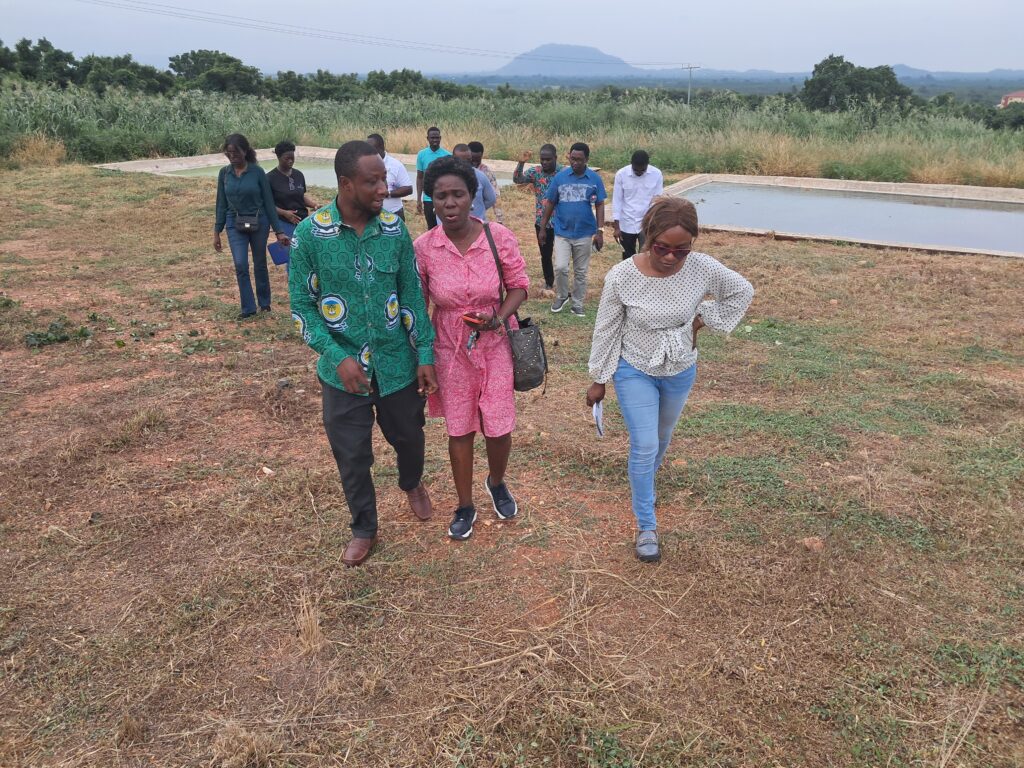
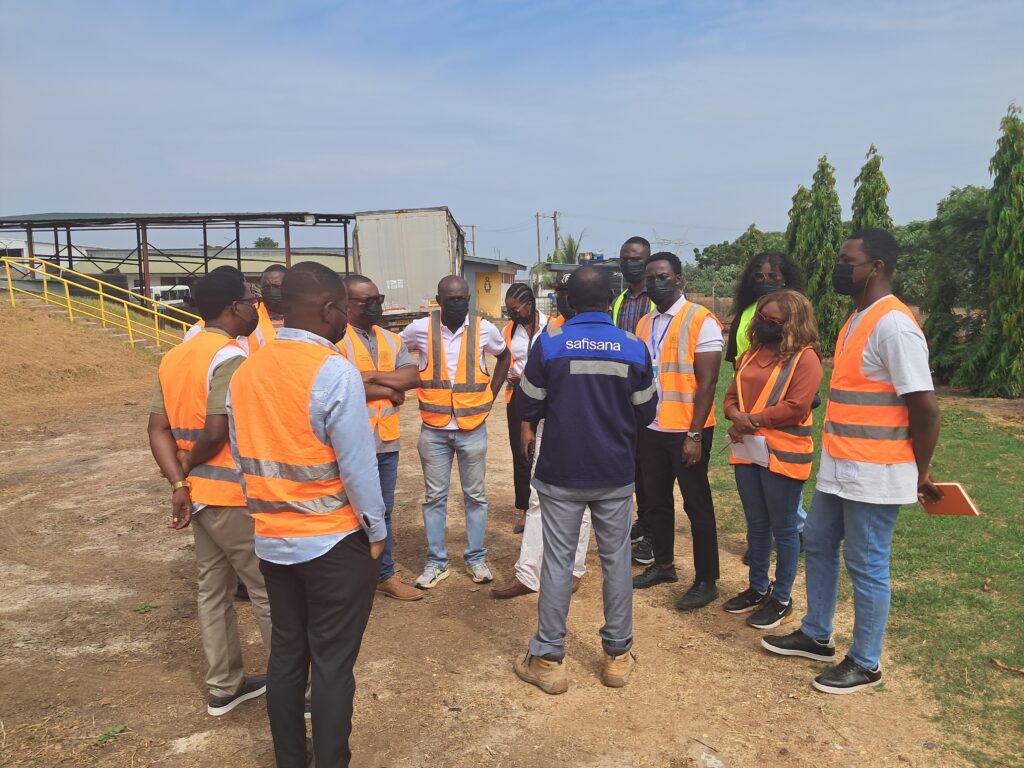
The Hub convened a cross-sectoral working group and designated seven Living Labs that are real world environments for demonstration, training, applied research, and co-creation.
In Action
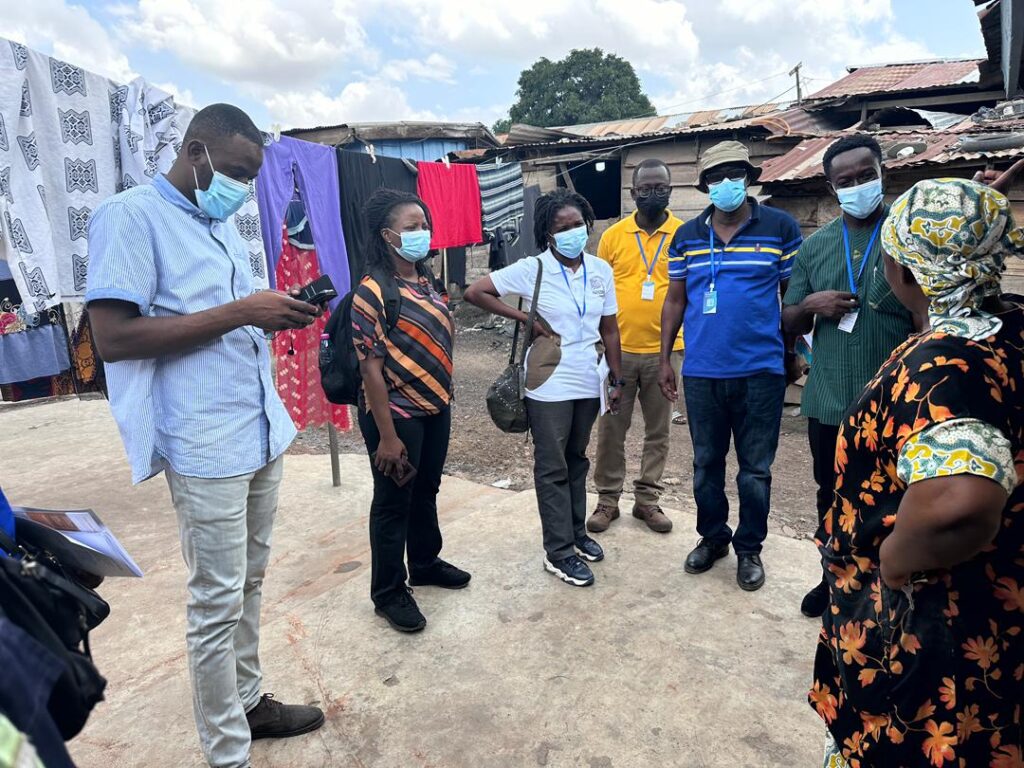
To spark collaboration, a peer-to-peer learning series was launched across all seven Labs. Partners immersed themselves in on-the-ground realities, exchanging knowledge, testing ideas, and uncovering practical pathways for innovation. Each visit gathered 16–28 participants from 14 institutions, creating a unique ecosystem of shared learning.
What We Found
The process surfaced critical barriers:
- Limited capacity and funding
- Process and technology bottlenecks
- Weak institutional and policy alignment
The Way Forward
Armed with these insights, the Hub is shaping a roadmap for applied research, capacity building, advisory support, and policy engagement. The goal: empower CBE enterprises to innovate, scale, and transform waste into opportunity.
Stay tuned for the launch of these programs!!!

Cultivating Skills for a Cleaner, Greener Accra
Accra, Ghana
Partnership: IWMI × C40 Cities Finance Facility × Accra Metropolitan Assembly.
Training Highlights (2 Days | 50+ Participants)
Who Attended
- AMA staff
- National agencies
- Informal sector actors
What They Learned
- Composting Techniques (incl. Covered Aerated Static Pile systems)
- Business Model Design for composting facilities
- Occupational Health & Safety in Waste Operations
Why It Matters
- Organic waste = largest share of Accra’s waste stream
- Training builds capacity to reduce greenhouse gas emissions
- Supports sustainable waste diversion & soil health
- Empowers city actors to scale circular bioeconomy practices
Voices from the Training
“This bridged critical knowledge gaps and showed practical steps to improve waste management.” — AMA Technical Staff
What’s Next
The Hub is exploring learning journeys & field visits to reinforce skills and expand adoption across Ghana.
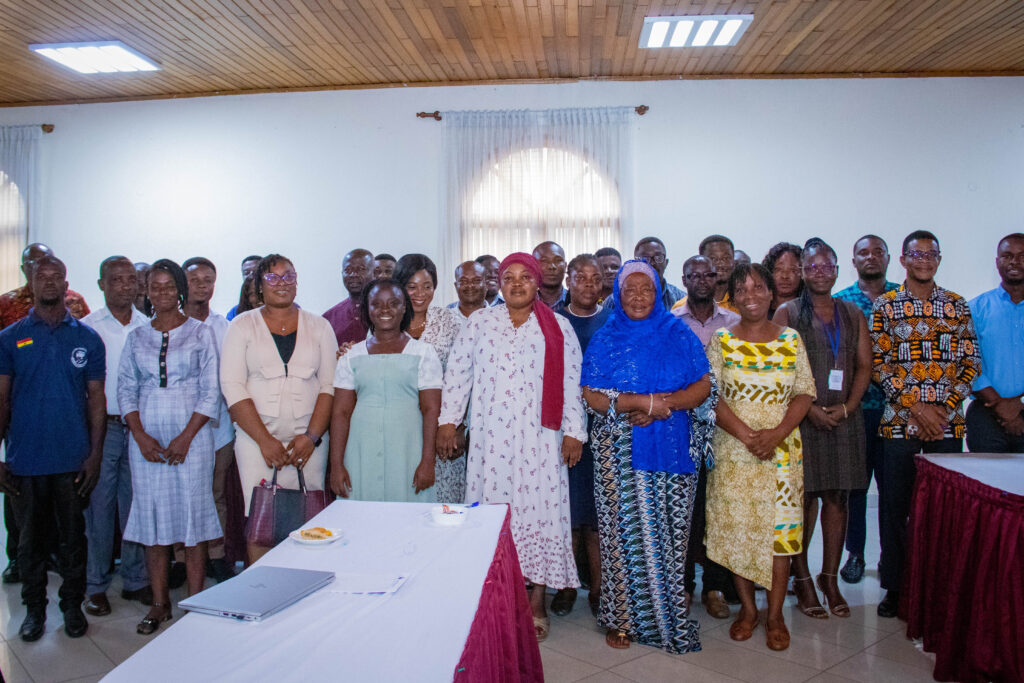
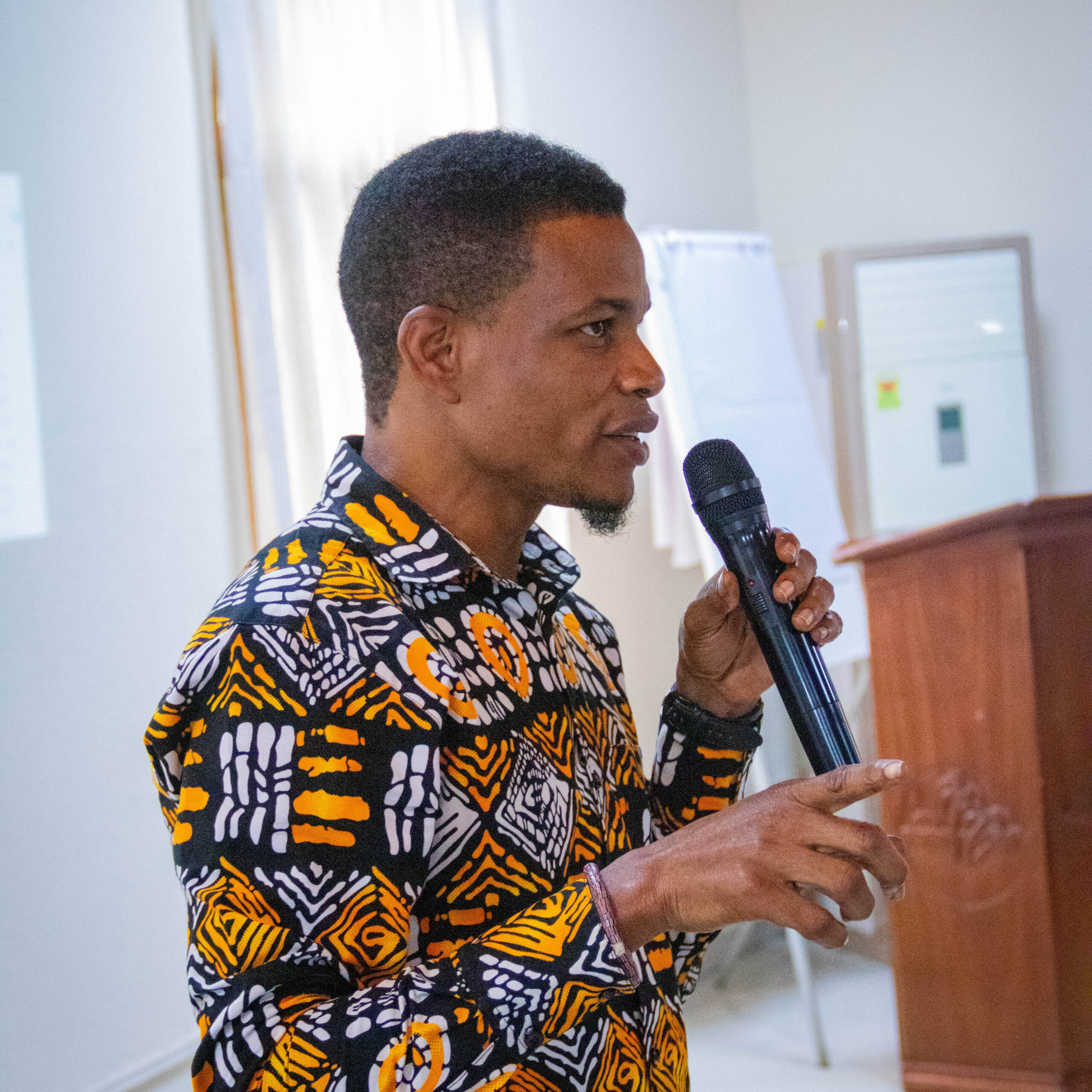
Photo credit: C40 Cities Finance Facility